





SUSTAINABILITY AND ELEMENTARY SCHOOL IN BRAZIL
Education for sustainability in elementary school in Brazil is a key element to shape environmental awareness in future generations.
Schools often address sustainability topics in a variety of subjects, such as science and geography, where students learn about ecosystems, biodiversity, pollution, and climate change. In addition, it is common to carry out interdisciplinary projects that provide a more holistic view and apply to sustainability concepts.
Currently, children and young people are already accustomed to having access to all kinds of information and seek new ways of thinking and practicing and with sustainability, it will be no different, as the vast majority have already realized that this topic is not simply another school subject in which they need to be approved, but rather an experience of transformation of the real world.
However, when we think about Agenda 2030 and direct our eyes to schools, more specifically to elementary school, we notice how the Brazilian education system lags in this approach and, when we direct our eyes to remote realities, where education is even more scarce, we understand how necessary it is to bring education and, above all, environmental education to these locations. For this, it is indispensable for public administrations and local companies to direct efforts to the collective, managers, schools, and civil society.
That is, when we talk about the importance of education and sustainability in Brazil, we must remember that some realities depend on basic resources and have not yet found ways to prepare more conscious citizens.
Human development indices point to many regions still hostage to hunger, poverty, lack of energy, light, and sanitation, regions where education is not at the top of the list.
We know that alone we will not be able to raise awareness and engage society and governments to solve such problems, and with this thought, ESG Kids is born, an initiative connected to basic environmental education, in which sustainable initiatives partners share their knowledge in the most different spheres of nature and society and so perhaps we will have the chance to prepare better citizens inside and outside schools to help us transform the world in which we live.
Learning through the experience of an ESG expedition, also known as experiential learning, is a pedagogical approach that encourages children to engage in hands-on activities that complement and deepen theoretical knowledge. In this type of approach, the focus is not only on obtaining information, but also on the effective application of this knowledge in real situations.
In the field of sustainability, this approach has an added value as it encourages children to become an active part of solving their region's environmental and social challenges.
The children of today will be decision-makers tomorrow. Therefore, we must, as a matter of urgency, intensify awareness within schools and prepare them for the responsibility that awaits them tomorrow: caring for the planet and raising social justice.
As a way to introduce learning through experience, the ESG Kids platform will include a logbook of a sustainable expedition – the ESG Journey – where children can follow, discover and experience an expedition focused entirely on sustainability, from beginning to end.
If we want to build a new conscious and impactful economy, we must take care of the grassroots, the least assisted and give subsidies and tools to all children and citizens who want to be part of this Journey. To talk about ESG Kids is to talk about environmental, social and governance awareness from the basis of the intellectual and character formation of the individual.
According to Peter Druker, “The best way to predict the future is to create it!”

The 17 UN SDGs and the ESG concept
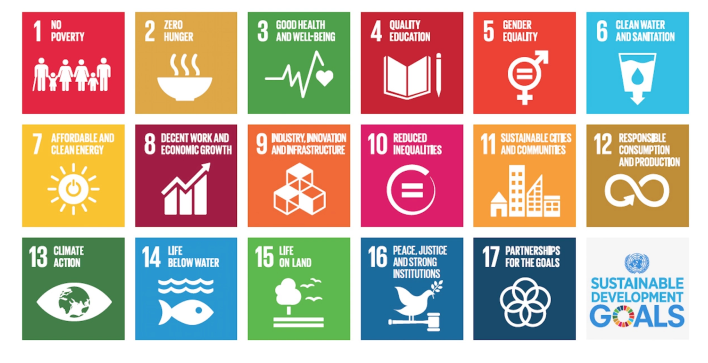
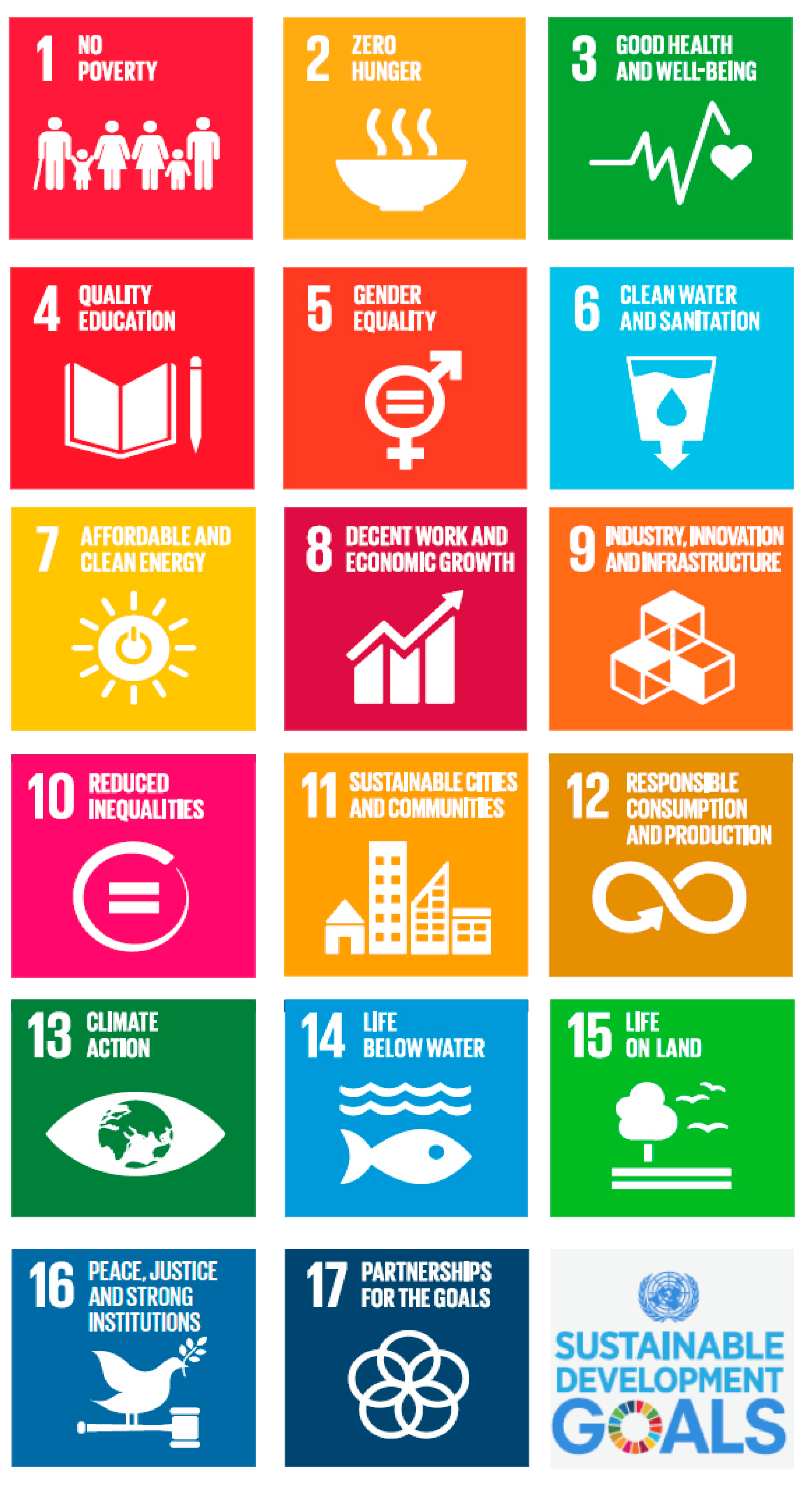
The SDGs were developed through an inclusive and participatory process that involved governments and stakeholders from around the world. This ensured that the agenda reflected a broad range of perspectives and priorities. The intention is that the SDGs will be fully achieved by the year 2030, which would be a great achievement for humanity, however, there are numerous challenges ahead.
According to reports from the United Nations and several international organizations, progress has been uneven. While progress has been made on some SDGs, others remain challenging. For example, the goal of eradicating extreme poverty and hunger is still far from being achieved, as is the goal of action against climate change.
On the other hand, the 2030 Agenda has also been a powerful catalyst for action. Created as a framework that governments, businesses, and civil society can use to guide their efforts. There is increasing global awareness of the importance of sustainability, and many sectors are taking steps to reduce their negative environmental and social impacts and promote more inclusive and sustainable development.
But, after all, how long until the 2030 agenda is completed?
Follow our countdown timer at the top of the ESG Journey platform and understand how little time is left before we reach the goals of the 17 UN Sustainable Development Goals.
17 UN Sustainable Development Goals
ODS 1 – No Poverty: End poverty in all its forms, everywhere.
ODS 2 – Zero hunger and sustainable agriculture: End hunger, achieve food security and improved nutrition, and promote sustainable agriculture.
ODS 3 – Good health and well-being: ensuring a healthy life and promoting well-being for all, at all ages.
ODS 4 – Quality education: ensure inclusive, equitable and quality education, and promote lifelong learning opportunities for all
ODS 5 – Gender equality: achieving gender equality and empowering all women and girls.
ODS 6 – Clean water and sanitation: ensure availability and sustainable management of water and sanitation for all.
ODS 7 – Affordable and clean energy: ensuring access to cheap, reliable, sustainable and renewable energy for all.
ODS 8 – Decent work and economic growth: promote sustained, inclusive, and sustainable economic growth, full and productive employment, and decent work for all.
ODS 9 – Industry, innovation, and infrastructure: build resilient infrastructure, promote inclusive and sustainable industrialization, and foster innovation.
ODS 10 – Reduced inequalities: reducing inequalities within and between countries.
ODS 11 – Sustainable cities and communities: make cities and human settlements inclusive, safe, resilient, and sustainable.
ODS 12 – Responsible consumption and production: ensure sustainable production and consumption patterns.
ODS 13 – Climate action: Take urgent action to combat climate change and its impacts.
ODS 14 – Life below water: conservation and sustainable use of oceans, seas, and marine resources for sustainable development.
ODS 15 – Life on land: protect, recover, and promote the sustainable use of terrestrial ecosystems, sustainably manage forests, combat desertification, halt and reverse land degradation, and halt biodiversity loss.
ODS 16 – Peace, justice, and strong institutions: promote peaceful and inclusive societies for sustainable development, provide access to justice for all and build effective, responsible and inclusive institutions at all levels.
ODS 17 – Partnerships and means of implementation: strengthen the means of implementation and revitalize the global partnership for sustainable development.
To learn about the 169 goals included in the 17 SDGs, click here.
On the other hand, the acronym ESG (environmental, social, and governance) is born from a social conjuncture that starts to see the private initiative as an important player not only in terms of economic development, but also co-responsible for environmental preservation and the elevation of social justice, from the door out.
The term ESG was coined in 2004 in a Global Compact publication in partnership with the World Bank, called Who Cares Wins. It arose from a provocation by UN Secretary-General Kofi Annan to 50 CEOs of large financial institutions about how to integrate social, environmental, and governance factors into the capital market.
And more recently the term gained strength through an economic bias, when Larry Fink, co-founder of the largest investment manager in the world in 2019, in one of his letters addressed to shareholders emphasized the importance of looking at the aspects that involve respect for human beings and nature from the business and the way they are done, shedding light on ESG factors from governance based on purpose, profit, transparency, and risks.
However, although not known by the acronym ESG, socio-environmental and governance metrics were already considered by some movements, as happened in the 60s and 70s, in the civil rights, anti-war, and environmental movements in the USA. Investors have begun to exclude companies linked to the war in Vietnam and Apartheid from their investments.
That is, long before we got to know ESG as it is today, the indicators were already observed by movements that had looked back at socioenvironmental responsibility and were aware of their role in whole society.
Although the purpose is the same as the 2030 Agenda, the three letters represent market indicators of how aware a company is, how its processes are carried out, how its employees are led, engaged, and included, how it relates to society, and how it deals with its entire value chain and how it manages natural resources.
In short, for a long time the SDGs were interpreted as “a wish list” by several companies, but after Larry Fink's letters placing sustainability at the center of investments, a strong pressure from millennials, a generation born between the 1980s and 2000s, characterized precisely by the high level of socio-environmental awareness, ESG gained strength and today it is established as the main guideline for the relationship between investment markets, conscious consumers and civil, public, and private organizations around the world.
According to a 2019 Morgan Stanley survey, 95% of millennials expressed interest in sustainable investing, compared to 85% of the total population. In addition, 67% of millennials believe that investment practices should target not only the financial return, but also the social and environmental impact.
All this facts drives managers and executives to look at ESG metrics as a true business differential and mandatory market factor, a requirement for sustainability and continuity of the company itself.
And when we talk about “good practices”, “sustainability”, “consistent objectives and goals” we ask ourselves: how to start our ESG Journey?
Here is where the ESG Journey expedition is born, a route designed to demystify ESG through the UN SDGs, presenting environmental, social, and governance solutions and, above all, strengthening the relationship between civil society initiatives, organizations, and public managers.
But to start our ESG Journey, we must ask ourselves:
How consistent are my actions with my values?
How committed are my employees or value chain to these same values, goals, and objectives?
Welcome to ESG Journey.
Marcel Guariglia